Using Trusts for Property Loans
Trusts are often used to protect assets, reduce taxes, and plan for the future. The main types of trusts for loans are 3-Generation Testamentary Trusts in Wills, discretionary trusts (family trusts), unit trusts, self-managed super fund trusts, and Bare Trusts.
People use trusts to protect assets, reduce taxes, and increase future flexibility. Some trusts can be set up to allow tax-deductible interest at the individual tax level. Borrowing through a trust helps protect personally held assets, plan for the future, and have enough initial capital to make the endeavour viable.
How do banks deal with companies and trusts when lending money?
Because of the changes to the banking rules we have received this useful feedback from mortgage brokers. These are the six disturbing trends:
Lenders in Australia now perceive dealing with trusts as a cumbersome process that offers them no additional benefits.
The new processes of applying for loans through trusts are typically complex, involving intricate legal considerations and a heavier burden of documentation before approval.
Most bank managers and credit staff lack a comprehensive understanding of how trusts operate, which can lead to trust-related loan applications being shuffled between various bank departments, causing delays and mistakes. In contrast, mortgage brokers are more up to speed with the new rules on lending to companies and trusts.
Many bank managers are unaware of whether their institutions even provide loans to trusts, as the new credit policies are vague.
Remarkably, one of the leading banks in Australia is unable to process residential loans for trusts due to the limitations of their IT systems.
Banks often refer trust loans to their business banking departments, where experienced staff can better manage them. However, this results in higher costs, increased fees, and slower processing times. Additionally, business banking may limit borrowing capacity and exclude low documentation loan options compared to residential loans.
Banks’ lawyers applying new tests on trust deeds and Company Constitutions
Because of the new banking regulations, securing business financing from banks requires not only a strong financial position but also thoroughly organised and compliant documentation. An accountant shared with Legal Consolidated the story of a client, whom we will call Michael.
Michael and his wife own a small manufacturing business and learned the hard way about the crucial importance of keeping his paperwork meticulously organised and up-to-date.
Why talk with your Accountant before you talk with the bank?
Borrowing for your trust and company? Your accountants are your friends, not the bank.
Michael decided to expand his operations and needed substantial financing. Confident about his business’s profitability and his meticulous financial record-keeping, he approached his bank for a sizeable loan. However, Michael overlooked one crucial aspect: the legal documentation of his business.
Years earlier, Michael had established a trust to manage certain business assets and had incorporated his business through a corporate trustee. This is common and standard in Australia. However, he had:
not updated his trust deed to reflect significant changes in the business structure and compliance regulations that had evolved over the years;
was still using Memorandum and Articles for his corporate trustee; and
- his bucket company did not even have a Constitution.
When Michael presented his case to the bank, he was confident about the financials but less prepared to handle questions about his outdated company constitution and the missing trust deed. The bank’s loan officer told him that without these critical documents in the correct order, they would not proceed. (Our client, the accountant, told us that this was beneficial because had the loan proceeded it would have been rejected. Therefore due to the bank’s credit ranking scores, this would have permanently stopped Michael from ever applying for a loan again.) The documents Michael did provide appeared disorganised and outdated to the bank. This raised concerns about Michael’s governance and compliance risks.
The Chartered Accountant was able to satisfy the ban
Outdated Trust Deeds and antiquated Company Constitutions cause loan rejections.
These rejections are permanent black marks on your credit rating.
Thankfully there was no rejection of any loan. The bank manager had stopped the process before it got to their lending team in Melbourne. Michael turned to his accountant. They built these three documents:
- Family Trust update – to remove an ex-wife, update the trustee, put in Backup Appointors and update for the new tax rules
- Replace Company Memo & Articles with a Company Constitution
- Remove the Replacement Rules with a Company Constitution
Thus all documents were now compliant with the latest trust laws, ASIC, tax laws and regulations.
Once the relevant documents were updated and organised, Michael returned to the bank. This time, his application was correct and forwarded to the bank’s head office where it was approved.
Michael was lucky in this instance. If you apply for a loan and it is rejected it is a permanent black mark against your name with the credit rating companies.
Bank refuses to lend to an SMSF that does not have a Special Purpose Company
There is no legal requirement for a Self-Managed Superannuation Fund to have a corporate trustee that is a Special Purpose company. The only value of a Special Purpose Company is lower yearly ASIC fees. Nevertheless, some banks are not lending to the SMSF (obviously through the Bare/Custodian Trust) until the SMSF converts its corporate trustee to a Special Purpose Company.
Bank refuses to lend to a company that is both trustee of a Family Trust and a Self-Managed Superannuation Fund
The client to ‘save money’ is using the company to be both trustee of the SMSF and of the Family Trust. This is legal. A company is allowed to wear two hats. However, several banks are refusing to lend to the company. They only want the company to wear one hat. They want a separate company for the Family Trust.
Rider Advisory agrees with the banks. While it is legal to use the same company for these multiple purposes, practically, it is risky. It is easy to make mistakes and transfer money from the wrong bank account. (1) You should have one company to be the trustee of the Family Trust and (2) a company as the trustee of the SMSF (which might as well be a Special Purpose Company to save on the yearly ASIC fees).
Talk with your accountant BEFORE you speak with the bank
When seeking finance for your business or investment activities through a bank, the clarity and compliance of your documents are paramount. Banks meticulously scrutinise every aspect of your application. Your business structure and trust deeds are no exception. Consult with your accountant and financial planner before approaching the bank is strategic:
1. Professional Scrutiny of Your Documents
Your accountant is there to help you succeed. Unlike the bank, which assesses your application primarily for risk, your accountant aims to ensure your business thrives. Your accountant will meticulously review your trust deeds, company constitution, and other legal documents to ensure they are not only compliant with current laws but also structured optimally for your specific needs. Sloppy, outdated, or non-compliant documents result in the bank viewing your application unfavourably. You often only get one chance to make a good impression; make sure your paperwork reflects your professionalism and readiness to engage in a financial agreement.
2. Understanding the Latest Regulations
Laws and regulations governing business entities, including trusts, are complex and change frequently. Your accountant is abreast of these changes and provide invaluable advice. They help you navigate the complexities of regulatory compliance, ensuring that every i is dotted and every t is crossed. This proactive approach prevents unpleasant surprises during the bank’s review process.
3. Strategic Advice on Business Structure
The way your business is structured significantly impacts how banks perceive your loan application. Your accountant and financial planner offer strategic insights into the advantages and disadvantages of different business structures (like sole proprietorships, partnerships, trusts and corporate trustee companies) and how they align with your financial goals and lending requirements. This strategic advice is crucial in presenting a solid business case to the bank.
4. Preparing for the Bank’s Expectations
Banks expect applicants to be fully in control of their financial and legal affairs. Your accountant help ensure that your financial statements, tax returns, and other financial documents are in order, up-to-date, and ready for rigorous examination. They also prepare forecasts and financial models that support your application, demonstrating to the bank that your business plans are viable and well-thought-out.
5. Best Practices for Trusts and Companies when borrowing money from a bank
Having your documents in order and understanding your financial position thoroughly gives you leverage in negotiations with the bank. Your accountant will help you understand the terms and conditions of proposed loan agreements and advise on negotiation points. This preparation puts you in a stronger position to negotiate favourable terms.
The bank is not your friend – your accountant is!
Approaching a bank for a loan with well-prepared, compliant, and professionally reviewed documents is essential. Your accountant plays a critical role in this preparation. They ensure that your business structure and documentation are not just in order but optimised for both compliance and success. Before you step into the bank, make sure you step into your accountant’s office. Remember, in the realm of business financing, the bank is not your friend, but your accountant is. They are your ally in ensuring that your first impression with the bank is a powerful and positive one.
Update Trust Deeds and Company Constitution before talking to your bank for a loan
Securing a loan from a bank involves more than just proving your financial capability; it also requires showing that the legal structures within which you operate are sound and up-to-date. This is particularly true for entities like trusts, Self-Managed Super Funds (SMSF), and companies, where the governing documents—trust deeds, SMSF deeds, and company constitutions—play a crucial role.
Updating these documents before applying for a loan smooths the process. Here is why:
1. Ensuring Compliance with Current Laws
Laws and regulations affecting financial entities, including trusts and SMSFs, change. An updated deed or constitution ensures compliance with the latest legal requirements, reducing the risk of legal issues that might concern a lender. For example, superannuation laws in Australia have undergone significant changes in recent years, impacting how SMSFs must be managed. If your SMSF deed is outdated, it may not comply with current legislation, potentially making lenders hesitant to offer finance.
2. Reflecting Changes in Structure or Purpose
Over time, the purpose or structure of a trust or company changes. Perhaps a trust was initially set up to manage a family business but now holds primarily investment properties. Similarly, a company might shift its business model due to market changes. Updating the governing documents to reflect these changes ensures that there is no discrepancy between what the entity currently does and what its documents say it does, a consistency that banks look for when assessing risk.
3. Enhancing Flexibility and Powers
Banking requirements and loan conditions are stringent. Rider Advisory trust deeds, SMSF deeds, and company constitutions are designed to include provisions that provide greater flexibility in borrowing, investment, and other financial activities, which can be restricted in older versions. By updating these documents, you can ensure that the entity has the necessary powers to engage in required transactions, like offering assets as security for a loan.
4. Facilitating the Loan Approval Process
Banks conduct thorough due diligence before approving business loans, including a review of an entity’s foundational documents. Outdated documents slow down this process and from what we have seen lead to a denial of the loan application because they do not meet the bank’s criteria for clarity, compliance, or risk management. Updated documents streamline the approval process by promptly addressing these concerns.
5. Preparing for Future Opportunities
Updating your documents not only aids in securing a current loan but also prepares your entity for future opportunities. Whether it’s refinancing under more favourable conditions, pursuing new business ventures, or restructuring the entity, having current, compliant, and clear documents means being ready to act when opportunities arise.
Best practice for Trust Deeds and Company Constitutions when borrowing money
Before approaching the bank for a loan, taking the time to review and update your trust deed, SMSF deed, and company constitution, with your accountant, is a crucial step. This not only enhances your chances of loan approval but also positions your trust, SMSF, or company to operate more effectively and comply with contemporary legal standards. By ensuring these documents are current, you safeguard your interests and lay a solid foundation for your financial endeavours.
Why lawyers no longer use ‘Schedules’ in their legal documents
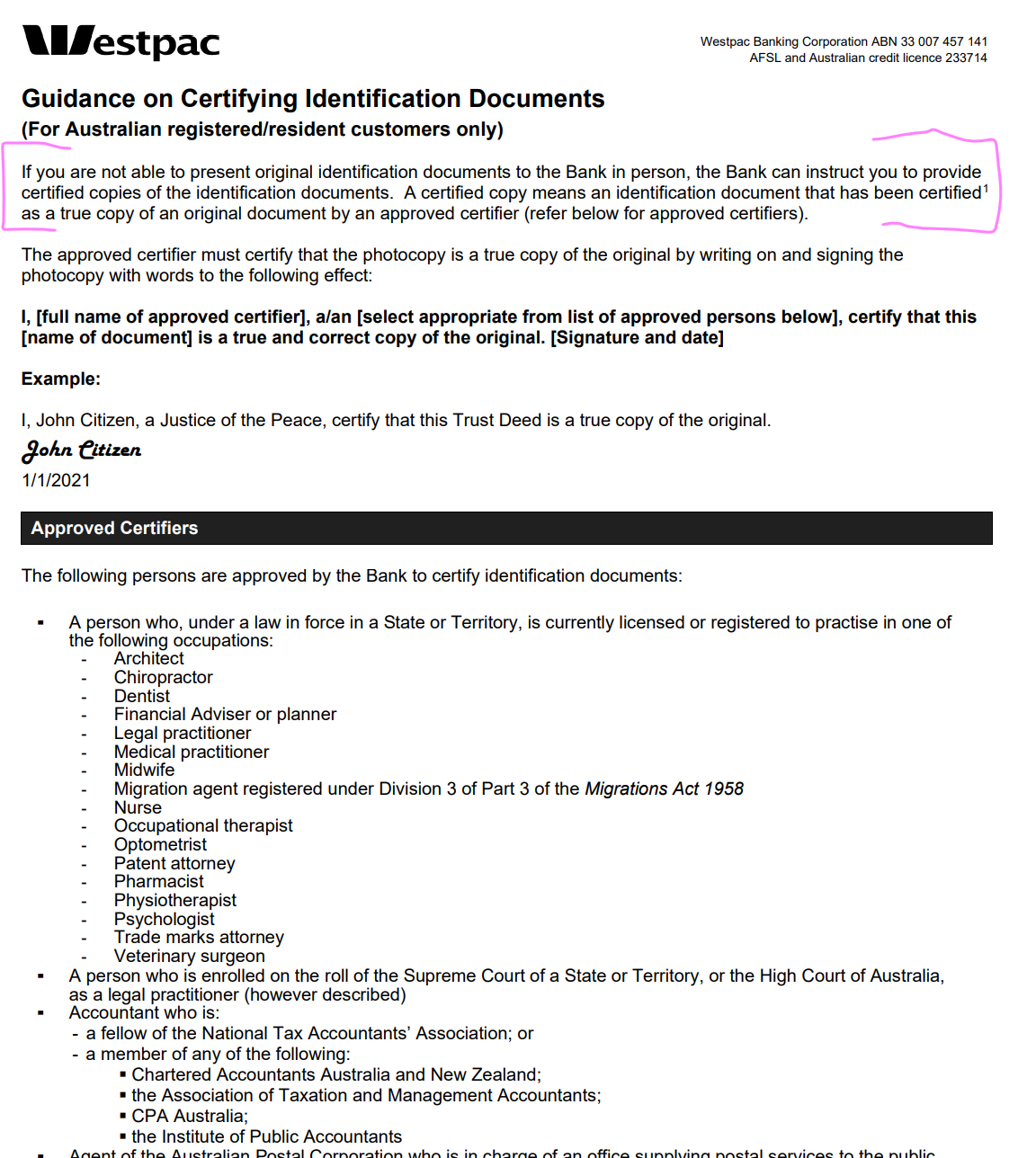
Q: As a banker, I found Schedules (some of the old boys at the bank still call them ‘extracts’) useful just to copy that particular page of the SMSF, Trust deed, Loan or Lease agreement. But law firms no longer use them. Why?
A: “Schedules” are a sheet of paper attached to the legal document. They carry some, but not all of the variables. Schedules have no terms of the agreement. For example:
- For a 3-Generation Testamentary Trust Will, it is a list of ‘Executors’ and ‘Primary Beneficiaries’.
- For a Lease, it lists “Leasee”, “Lessor”. “Lease Fee” and “Term”.
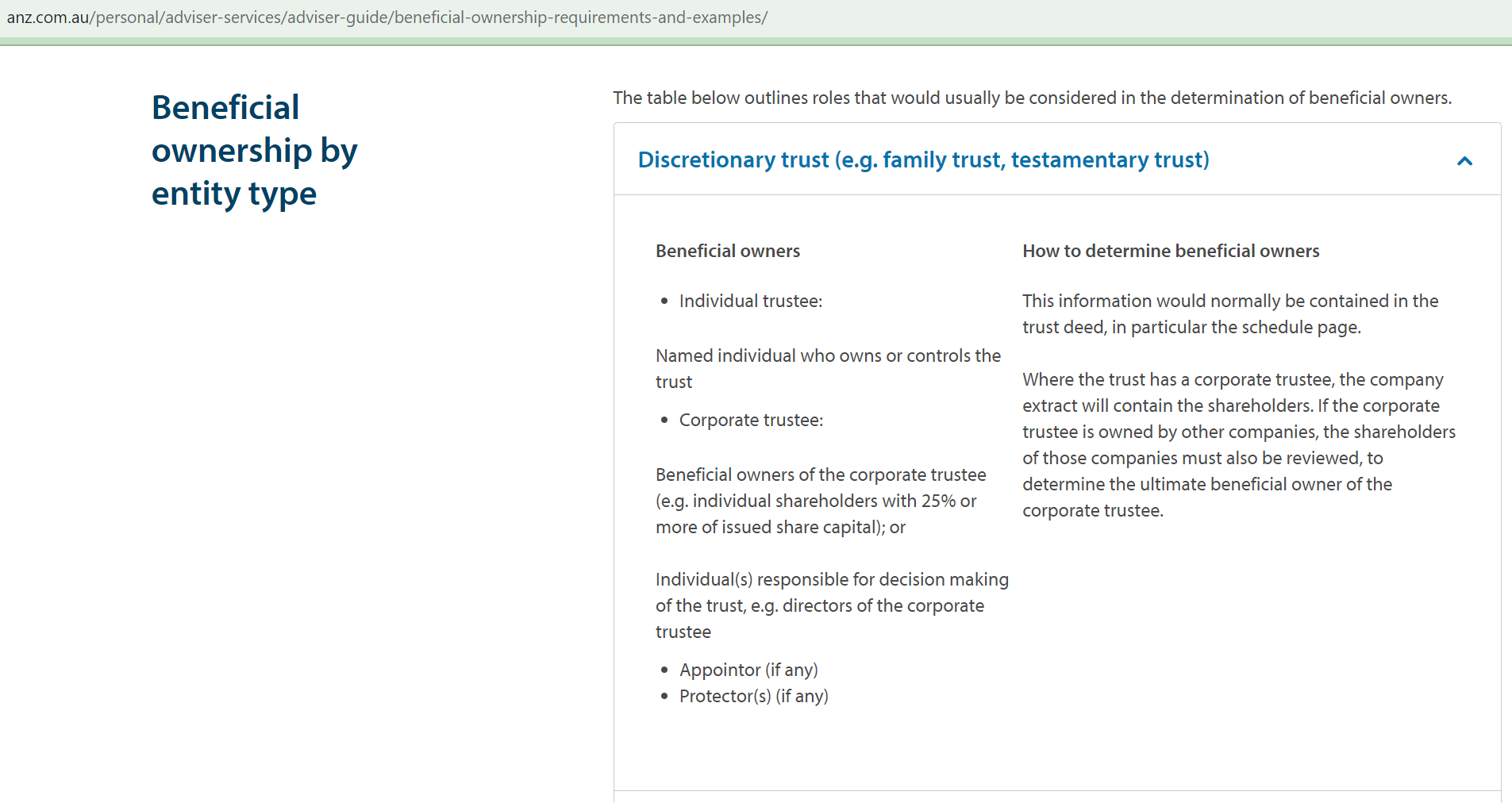
- For a Family Trust, it lists “Appointor”, “Back-up Appointor”, “Trustee”.
- For a Loan Agreement, it lists “Lender”, Borrower”, “Amount Lent”, “Interest Rate”.
- For a Division 7A Loan Deed, it is a list of the “Lenders”, “Borrowers” and “Addresses”
- In an Employment Contract “Employer”, “Employee”, “Salary”.
- For an SMSF they state the date of the deed, members and trustees, but it contains none of the rules of binding nominations and SIS Requirements.
- For a Partnership Deed, it is a list of the “Partners” and their “percentage interest”.